
CNY Cost Breakdown: DIY Grocery Vs Mini Buffet Delivery Cost
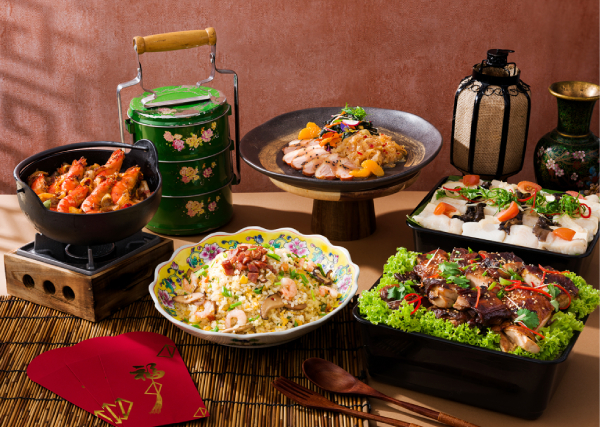
Chinese New Year has a funny way of sneaking up on us. One moment, it is still New Year 2026, and everyone is getting back into routine. The next moment, you are staring at the calendar, realising CNY is not far behind, and your group chats are already buzzing with plans for visiting, reunion meals, and house gatherings.
If you are hosting this year, you have probably asked the same practical question many Singapore households ask: should I cook everything myself, or should I order food in? The decision is not just about money. It is also about time, mess, stress, and whether you will actually enjoy the celebration or spend the whole day running between the kitchen and your guests.
Why this decision matters more during CNY
CNY food is not like regular meals. It is often:
- Cooked in bigger quantities
- More “festival-style” (meaning more dishes, not just one main + soup)
- Served over long hours as people drop by
- Expected to look presentable
So even if you are not going big, the effort level can still feel big.
A proper cost breakdown should include more than ingredients. You also want to consider:
- How long prep takes
- How much food gets wasted
- Hidden add-ons (delivery fees, disposable items, last-minute top-ups)
- What your time is worth
Because on CNY, your time is not just time. It is your energy, your mood, and your ability to enjoy the day.
Option 1: DIY groceries (cook everything yourself)
DIY sounds cheaper on paper, but you are paying for more than ingredients. Costs usually include:
- Groceries (protein, veg, seasoning, sauces, oil)
- Festive snacks (kueh, pineapple tarts, crackers, drinks)
- Extra disposables (plates, bowls, cups, plastic wrap, foil)
- Utilities (gas, water, electricity, especially for long cooking)
- Cleaning supplies (bin liners, extra sponges, detergent)
- Typical CNY DIY cost estimate (for 8–10 pax)
This varies wildly, but to give a realistic range in Singapore:
- Proteins (prawns, chicken, fish, etc.): $60–$120
- Vegetables + tofu + sides: $25–$50
- Ingredients for soup/noodles/rice: $15–$35
- Sauces, seasoning, garnish: $10–$25
- Drinks + ice: $15–$40
- Disposables + cleaning bits: $10–$25
Estimated total would be around $135–$295, not counting your time. If you are cooking “impressive” dishes (e.g., chilli crab, herbal chicken soup, braised duck, premium seafood, abalone, scallops), the bill can go higher quickly.
Additionally, for DIY, the biggest hidden fee is time. A typical CNY cooking day often looks like:
- Planning + list-making: 30–60 minutes
- Grocery shopping (including crowds):5–3 hours
- Washing, chopping, prepping: 1–2 hours
- Cooking: 2–4 hours
- Serving + reheating throughout the day: Ongoing
- Cleaning: 1–2 hours
That can easily become 6–12 hours of effort. So yes, you save money. But you may pay in stress, fatigue, and not being present with guests.
CNY is also the season of “better more than less”. Which leads to:
- Cooking too much
- Guests eating lighter than expected
- Extra dishes that do not store well
Some dishes reheat fine. Others turn oily, soggy, or dry. And after 1–2 days, you may find yourself throwing away leftovers you once spent hours making. DIY food waste often happens because cooking in smaller portions is difficult when you want variety.
Option 2: Mini buffet delivery (order food in)
Mini buffets are popular during CNY for one big reason: they make hosting feel manageable. You still get the festive spread, but without the full-day kitchen marathon. In many cases, small party catering in Singapore is chosen not because the host cannot cook, but because they want to actually enjoy the celebration.
Mini buffet costs often include:
- Food + portion planning (usually per pax)
- Packaging/setup style (sometimes optional)
- Delivery
- Disposable cutlery + serving utensils (varies by package)
- Typical mini buffet cost estimate (for 10 pax)
Most mini buffet menus start around $12–$25 per pax, depending on the spread, premium items, and festive add-ons.
So for 10 pax:
- Budget tier: $120–$160
- Mid tier: $170–$220
- Premium tier: $230–$300+
Then add:
- Delivery fee (if applicable): $10–$30
- CNY surcharge (common): $20–$80 depending on date/time
So realistically, your total may land around: $150–$360 for 10 pax. This is why some hosts feel a mini buffet is “expensive”. However, it is also replacing hours of labour and a full kitchen cleanup.
Hidden fees to look out for when ordering buffet
Mini buffet delivery is convenient, but do read the fine print. Common add-ons include:
- CNY festive surcharge
- Delivery fee (especially for condos without easy access)
- Early delivery timing surcharge
- Setup or warmer rental (for longer events)
- Minimum order quantity
Also, some packages look cheap but do not include essentials like:
- Serving spoons
- Bowls/plates
- Tissue/trash bags
If you want things to look nice for guests, you might still end up running to the supermarket at the last minute.
However, when you order a mini buffet, your workload changes completely. Instead of cooking, your main effort becomes:
- Picking the menu
- Setting up the dining area
- Preparing drinks and snacks
- Welcoming guests and enjoying the day
Which honestly feels more like what CNY should be. One great advantage is that you can pair buffet menus seamlessly with event themes while keeping everything coordinated, whether you are going for an elegant reunion vibe or a fun, casual visiting session.
So… which option is actually cheaper?
Here is a simple breakdown for a typical 10-pax gathering.
| Option | Estimated cost (10 pax) | Key considerations |
| DIY groceries | $135–$295 | ● 6–12 hours labour ● kitchen mess ● cleaning ● higher risk of waste |
| Mini buffet delivery | $150–$360 | ● almost no cooking labour ● consistent portioning ● reduced stress |
So the truth is: they can cost surprisingly close.
DIY wins if:
- you already have most ingredients at home
- you cook efficiently and in controlled portions
- you genuinely enjoy cooking
Mini buffet wins if:
- time and energy matter more
- you want variety without effort
- you are hosting while also managing visiting schedules
A practical guide: How to decide quickly
Ask yourself these questions:
1. How many guests are you expecting?
- 6 pax and below: DIY may be easier
- 8 pax and above: Buffet becomes more worth it
2. Are you hosting alone?
If you have no extra help, DIY becomes tougher fast.
3. Do you need variety?
CNY guests usually expect multiple dishes. If you want variety, ordering is often simpler than cooking 6–8 different items.
4. What is your worst-case scenario?
- DIY worst case: Food not ready, kitchen chaos, you are exhausted
- Buffet worst case: Delivery late or missing item
Both have risks, but only one drains your whole day.
Best of both worlds: Hybrid hosting
Many hosts in Singapore do this and it works brilliantly:
- Order mini buffet for mains
- DIY 1–2 signature items (your “special dish”)
- Add simple store-bought desserts or snacks
This way, you still feel personal and proud of the meal, but you do not burn out.
Conclusion
DIY groceries can be meaningful, cost-effective, and personal, especially if cooking is part of your family tradition. But mini buffet delivery can be just as practical, especially when you factor in prep time, cleanup, food waste, and the value of enjoying the day with your guests.
If you want a fuss-free, festive spread that still feels generous and well-planned, Eatz Catering is here to help. From mini buffets to crowd-pleasing CNY menus, we make hosting easier so you can focus on what matters: spending time with family, friends, and the people you are celebrating with.