
A Smart Guide To Calculating Food Portions For Large Events
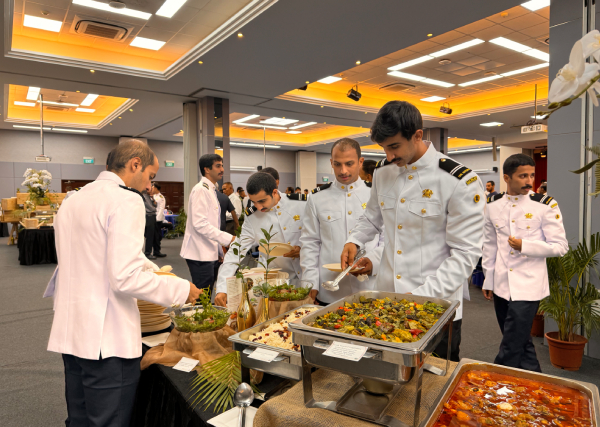
When it comes to hosting a big event, one of the trickiest parts of planning is figuring out just how much food to prepare. Get it wrong and you could end up with trays of untouched dishes going to waste, or, worse, running out of food before everyone has had their fill. Both scenarios can dampen the atmosphere and leave guests with the wrong impression.
The challenge is that every event is different. Guest lists vary, appetites are unpredictable, and the mix of dishes can affect how much people eat. Add in factors like whether it’s a sit-down meal or a buffet, and suddenly, the simple question of “how much food should I order?” becomes a puzzle. That’s why having a smart guide to food portions can help ease the stress and make your event memorable for the right reasons.
Why portion planning matters
Food is more than just a necessity at large gatherings; it sets the tone of the celebration. A well-fed guest is a happy guest, and no host wants anyone to leave hungry. Proper portion planning ensures that everyone gets to enjoy the spread, while also helping you manage costs and reduce unnecessary waste.
Overestimating portions often leads to overspending and piles of leftovers that no one can finish. On the other hand, underestimating portions risks disappointing guests who miss out on popular dishes. By striking the right balance, you’ll create an event that feels generous, yet efficient.
Know your guest count
The first step is getting as accurate a headcount as possible. Even a small difference of ten people can make a big impact on food quantity. If you’re working with a caterer, they’ll usually ask for a confirmed number of guests at least a week before the event. Build in a small buffer if you expect last-minute attendees, but avoid inflating numbers too much, as this can unnecessarily increase costs.
It’s also worth considering who your guests are. A group of teenagers or young adults may eat significantly more than a group of seniors. Likewise, if children are attending, they typically eat smaller portions, so you’ll want to adjust accordingly.
Factor in the style of service
The way food is served has a big influence on portion sizes. At a sit-down dinner, portions are usually fixed, so planning is more straightforward. With buffet food catering in Singapore, however, guests have the freedom to help themselves, which means popular dishes can disappear quickly while others may remain untouched.
A good rule of thumb is to assume people will try a little bit of everything. That means offering smaller portions of more dishes, so guests can sample widely without creating too much waste. If you have a mix of meat, seafood, and vegetarian options, balance the portions so that no single dish runs out prematurely.
Consider the menu variety
Variety affects how much people eat. A spread with ten different dishes encourages guests to eat more overall than a simple three-course meal, because curiosity often wins – people want to try “just a bite” of everything.
If your menu has plenty of sides, appetisers, and desserts, you can usually scale down the portion size of main dishes. For example, a hearty rice or noodle option tends to fill people up quickly, so you won’t need as much of the protein dishes. On the other hand, if your menu is light on carbohydrates, expect guests to take bigger portions of meat or vegetables.
General portion guidelines
To give you a ballpark, here are some typical serving sizes per adult guest at a buffet:
- Main protein (meat, poultry, or fish): 150–200 grams
- Rice or noodles: 120–150 grams
- Vegetables or salad: 100–120 grams
- Starters or finger food: 3–5 pieces
- Desserts: 1–2 servings
Of course, these are averages, and some guests will eat more, some less. The key is to balance the portions across your menu so that the overall spread is satisfying.
Think about timing and occasion
Events held at different times of the day can influence how much people eat. A lunch event often requires less food than a dinner, as people may already have eaten breakfast or plan to have dinner later. In contrast, an evening wedding banquet or festive celebration often calls for a more lavish spread.
The length of the event also matters. For a quick two-hour corporate lunch, smaller portions might suffice. But if your event stretches over four or five hours, expect guests to go back for seconds. In this case, it’s wise to budget for extra food or include filling items like bread, rice, or pasta.
Don’t forget dietary preferences
Another factor in portion planning is catering for diverse dietary needs. With more people embracing vegetarian, vegan, halal, or gluten-free diets, it’s important to ensure these options are available in sufficient quantity. Even non-vegetarians often enjoy plant-based dishes, so don’t assume only a handful of guests will go for them.
When planning, estimate at least 20–30% of your spread to be vegetarian-friendly. This ensures inclusivity and prevents those dishes from running out early.
Practical tips for portion success
- Work closely with your caterer: They have the experience and can advise on realistic portion sizes based on your guest list and menu.
- Have a signature filler dish: Something like fried rice, noodles, or bread that guests can take freely helps balance the spread.
- Use portion cues: Smaller serving spoons or plates at a buffet can naturally encourage guests to take reasonable amounts without feeling restricted.
- Plan for a little extra: Aim for around 5–10% more food than your confirmed headcount, just in case.
And if you’re still torn between portion sizes, you might also be weighing up if a mini or standard buffet suits you best, since the format can influence how much food you’ll need to order.
Conclusion
Calculating food portions for a large event doesn’t have to feel like a guessing game. With careful planning around guest count, service style, and menu balance, you can avoid the stress of food waste or shortage while ensuring everyone enjoys the meal.
If you’re planning your next celebration or corporate gathering, Eatz Catering can take the guesswork out of your event planning. From tailored menus to flexible serving styles, we provide reliable catering services designed to impress your guests and keep them satisfied. Get in touch with us today to explore our wide range of offerings and make your event truly memorable.