
How To Order Halal Bento Sets That Suit Every Dietary Need
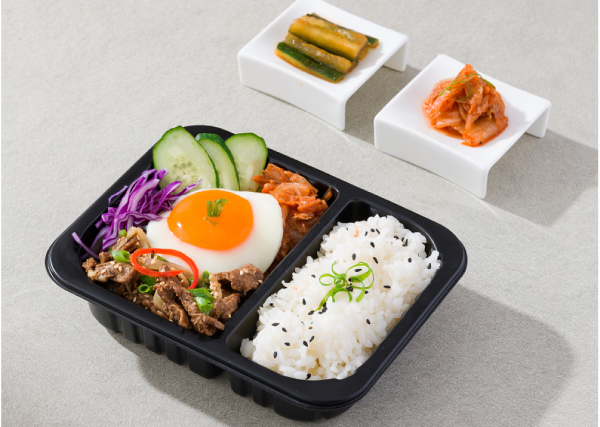
Halal bentos are a lifesaver when you need a neat, no-fuss meal option for a group. But when you are ordering for an office event, school programme, or family gathering, halal is often only one part of the puzzle. People may be dealing with gluten intolerance, nut allergies, lactose sensitivity, or even medical needs like low-sodium diets. It is not about being “fussy”. It is about safety, comfort, and making sure everyone can eat without worry.
Food allergies, in particular, deserve extra attention because they can be serious, even life-threatening. If you have ever had someone hesitate before eating because they are unsure what is inside the meal, you will understand how quickly food becomes stressful instead of enjoyable. The good news is that ordering halal bento sets that suit every dietary need is possible, as long as you know what to ask and how to plan ahead.
Why dietary-friendly halal bentos matter more than ever
It is easy to assume that if a bento is halal, it automatically suits most people. In reality, dietary needs go far beyond halal requirements. Some guests avoid gluten entirely. Others need to limit salt for health reasons. Some cannot have seafood due to allergies, while others cannot tolerate dairy.
And in workplaces especially, you might have a mix of cultures and eating habits:
- Muslim colleagues who require halal food
- Staff with allergies (nuts, eggs, seafood)
- Colleagues on low-carb or low-sugar plans
- Guests who are vegetarian but still want halal-certified options
- People managing health needs such as hypertension or diabetes
A successful bento order is one where nobody feels left out, and nobody feels unsafe.
Step 1: Start with dietary mapping (without making it awkward)
Before you choose menus, you need clarity. The simplest way is to gather dietary requirements early. If it is a work event, send a short form or message.
Examples of what to ask:
- Any food allergies? (nuts, shellfish, eggs, dairy)
- Any dietary restrictions? (gluten-free, vegetarian, low-sodium)
- Any food dislikes or cultural considerations?
Tip: keep it short and practical. Most people appreciate being asked.
If the group is small, you can ask directly. If it is a bigger event, a quick anonymous Google Form works beautifully.
Step 2: Know what halal covers, and what it does not
Halal certification mainly relates to:
- Permitted ingredients (e.g., no pork or alcohol)
- Proper sourcing and handling of meat
- Clean food preparation standards
But halal does not automatically mean:
- Gluten-free
- Dairy-free
- Nut-free
- Low-sodium
- Low sugar
- Vegetarian
So you still need to check the details. Halal is your base requirement. Dietary customisation is the next layer.
Step 3: How to order for food allergies safely
This is the part where you do not want to “hope for the best”. Allergies require strict handling, and not all vendors treat them the same way.
Even in halal bentos, allergens can be hidden in sauces and marinades:
- Peanuts: Satay sauce, peanut garnish
- Shellfish: Sambal, prawn paste, seafood seasoning
- Eggs: Mayonnaise, egg wash in fried items
- Dairy: Butter rice, creamy sauces
- Soy: Soy sauce, tofu dishes, marinades
- Sesame: Oil, garnish, dressings
Additionally, instead of just saying “nut-free”, ask these questions:
- Are there nuts used in the kitchen?
- Can nut-free meals be prepared separately?
- How do you prevent cross-contamination?
- Can you label allergy-friendly bentos clearly?
It is also fair to request individual labels for bento boxes. That way, no one needs to guess which set is safe.
Step 4: Ordering gluten-free halal bentos (what to check)
Gluten-free meals often get misunderstood. Some people think “no bread” is enough, but gluten is in many unexpected ingredients.
Gluten often appears in:
- soy sauce (unless gluten-free certified)
- tempura batter or crispy coatings
- imitation crab sticks or processed meats
- marinades and sauces
- noodles (unless rice noodles)
If you are ordering gluten-free options, look for meals built around naturally gluten-free staples:
- grilled chicken with rice and vegetables
- fish with turmeric rice
- tofu and veggie bowls
- stir-fried rice vermicelli (if seasoning is gluten-free)
When in doubt, request a clearly stated gluten-free bento set (not just “less flour”). This makes it easier for everyone.
Step 5: Low-sodium bentos without sacrificing taste
Low-sodium meals are becoming more common, especially for older guests or anyone managing blood pressure. The tricky part is that bento food can easily become salty due to sauces.
Where sodium hides:
- soy sauce-based marinades
- sambal and chilli condiments
- pickled sides
- processed meats (sausages, nuggets)
What to request instead:
- grilled or baked proteins, less sauce
- sauces on the side
- fresh vegetable sides
- herbs, citrus, and spices for flavour
It also helps to choose menus that are naturally lighter (e.g., grilled ayam bakar style with vegetables rather than heavily sauced items).
Step 6: Vegetarian halal bentos (yes, it is possible)
Some people assume halal catering is always meat-focused, but vegetarian halal meals can be a very inclusive option, especially for mixed groups.
A good vegetarian halal bento should still feel “complete”:
- carbs (rice, noodles, quinoa)
- protein (tofu, tempeh, chickpeas, eggs if allowed)
- vegetables (stir-fry or roasted options)
- sauce (served separately if needed)
If you are ordering for a diverse group, vegetarian bentos are often the safest “universal” choice, as long as allergies are accounted for.
Step 7: Make it practical for office events
Office food ordering is not only about dietary needs. It is also about making sure distribution is smooth, and nobody ends up with the wrong box.
Here are some simple tips for diverse diets that help reduce confusion:
- use clear labels (e.g., “GF”, “No Nuts”, “Low Sodium”, “Veg”)
- avoid mix-and-match without proper naming
- allocate a separate table section for special diets
- assign someone to help distribute boxes quickly
Even a simple label system makes the event feel more organised, thoughtful, and stress-free.
Step 8: Plan for delivery timing and freshness
Bentos are meant to be eaten fresh. For halal bento delivery, timing matters because rice dries out if left too long, fried items lose crispness, and sauces soak into food and change texture.
What to do:
- Schedule delivery 30 to 60 minutes before eating time.
- Check if warming instructions are available.
- Avoid leaving bentos in a hot room for too long.
If your event involves speeches or a programme, plan so guests can eat at the right time rather than waiting too long with food sitting out.
Step 9: Create a simple “safe ordering checklist”
Before confirming your order, run through this checklist:
- Halal requirements confirmed
- Dietary needs collected and documented
- Allergens identified and communicated
- Special meals separated and labelled
- Gluten-free/low-sodium requests confirmed clearly
- Delivery time scheduled properly
- Contact person ready for delivery handover
This small step saves you from last-minute panic.
Conclusion
Ordering for a group is not only about feeding people. It is also about making them feel considered. When you take dietary needs seriously, guests relax, enjoy the meal, and remember your event more positively.
If you are planning an office lunch, seminar, or celebration and need reliable catering support, Eatz Catering is here to help. We offer a wide range of menu options, including halal bento sets that can be tailored to different dietary requirements, along with professional delivery and event-friendly service.