
5 Tips For A Successful Interactive Buffet Station
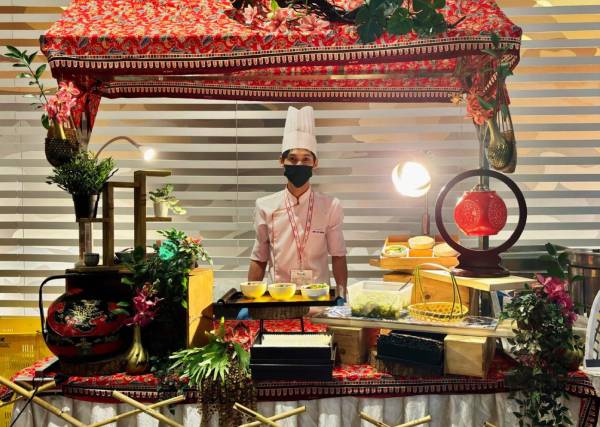
Food has always been one of the most memorable parts of any event. Whether it’s a corporate celebration, wedding reception, product launch, or festive gathering, guests naturally gravitate towards the buffet table. The experience goes beyond simply filling a plate. A thoughtfully planned buffet can create conversation and encourage people to mingle while enjoying great food.
Interactive buffet stations have become increasingly popular for this very reason. Instead of a traditional line of dishes, these setups invite guests to personalise their meals and watch food being prepared live. For event organisers exploring buffet catering in Singapore, interactive stations offer a fresh way to elevate the dining experience while keeping guests entertained throughout the event.
What makes an interactive buffet different?
A standard buffet allows guests to serve themselves from pre-prepared dishes. An interactive buffet station, however, introduces an element of engagement. Chefs may assemble dishes on the spot, guests may customise toppings, or the station itself may showcase a cooking process.
This style of dining offers several advantages:
- Guests feel more involved in the experience
- Food is often fresher because it’s prepared on demand
- The stations naturally become social gathering points
- Hosts can showcase unique menu concepts
When designed thoughtfully, interactive stations can transform a simple meal into a highlight of the event.
Tip 1: Choose stations that encourage customisation
One of the biggest appeals of an interactive buffet is the ability for guests to personalise their meals. Giving people choices makes the experience more memorable and ensures that different dietary preferences are accommodated.
Popular customisable stations often include:
- Pasta stations where guests select sauces and toppings
- Salad bars with fresh ingredients and dressings
- Taco or wrap stations with different fillings
- Live noodle stations prepared to order
The key is variety without overwhelming guests. Too many options can slow down service, while too few choices may reduce the interactive element. A well-balanced station usually includes a base dish, a few proteins, vegetables, sauces, and finishing garnishes.
Tip 2: Design the layout for easy flow
An interactive buffet can quickly become crowded if the layout isn’t planned carefully. Guests should be able to approach stations comfortably without blocking walkways or forming long queues.
Event planners often use a few simple layout strategies:
- Spread stations across the venue – Instead of placing everything in one long line, multiple stations positioned around the space encourage movement.
- Separate popular stations – Live cooking stations tend to attract more attention, so placing them slightly apart helps manage traffic.
- Create clear signage – Guests appreciate knowing what each station offers before they join the queue.
When the flow works well, guests move naturally between stations and enjoy exploring different dishes rather than waiting impatiently.
Tip 3: Make the food preparation part of the experience
One of the biggest advantages of an interactive buffet is the opportunity for live preparation. Watching chefs cook adds excitement and creates a more engaging atmosphere.
Live cooking stations can include:
- Grilled satay or skewers prepared on the spot
- Teppanyaki-style stir fry stations
- Fresh roti prata or flatbread preparation
- Carving stations for roasted meats
These stations provide a visual and sensory experience. Guests see, smell, and hear the cooking process, which naturally draws attention. For hosts planning buffet catering, this approach also reflects the vibrant food culture that locals and international guests both enjoy.
Tip 4: Incorporate creative menu concepts
Interactive buffets don’t have to stick to traditional menus. Many modern events feature creative themes or culinary concepts that give the buffet a distinctive identity. For example, some events experiment with trending halal fusion buffet trends, combining flavours from different cuisines into unique dishes that appeal to diverse audiences.
Examples might include:
- Laksa pasta
- Kimchi fried rice with local seafood
- Japanese-inspired poke bowls with Asian herbs
- Mini sliders with Asian-style sauces
Creative menus add excitement and give guests something to talk about. They also reflect current food trends and evolving tastes.
Tip 5: Focus on presentation and visual appeal
Food presentation plays a major role in how guests experience a buffet. Interactive stations should look inviting and visually appealing from across the room.
Some simple design elements can elevate the presentation:
- Tiered serving platforms for height variation
- Wooden boards or rustic trays for a natural feel
- Decorative lighting above stations
- Fresh herbs or edible garnishes as accents
Colours, textures, and arrangement all contribute to the visual impact. Even simple dishes can feel special when presented thoughtfully. A visually engaging station often encourages guests to take photos, which adds to the event’s social atmosphere.
Additional elements that enhance interactive buffets
Beyond the stations themselves, a few small details can significantly improve the overall experience.
- Portion sizes: Smaller portions allow guests to try multiple dishes without feeling overly full too quickly.
- Clear station descriptions: Simple menu cards help guests understand ingredients, especially if dishes contain unfamiliar flavours.
- Dietary considerations: Including vegetarian, gluten-free, or lighter options ensures more guests feel included.
- Friendly staff interaction: Chefs and servers who chat with guests and explain dishes create a more welcoming environment.
These touches may seem small, but they contribute to a smoother and more enjoyable dining experience.
Example layout for an interactive buffet event
To visualise how everything might come together, here is a simple example of a balanced buffet layout.
| Station | Description |
| Salad & Cold Appetisers | Fresh greens, dressings, and light starters |
| Live Noodle Station | Customisable noodle bowls cooked on demand |
| Grill Station | Satay, skewers, and grilled seafood |
| Carving Station | Roasted meats sliced fresh for guests |
| Dessert Station | Mini desserts, pastries, and sweet treats |
By spreading these stations across the venue, guests naturally move around while discovering different flavours.
Why interactive buffets work so well for events
Interactive buffets bring energy to an event space. Rather than sitting quietly at tables, guests explore the food stations, chat with chefs, and share recommendations with friends or colleagues.
This format works particularly well for:
- Corporate networking events
- Weddings and celebrations
- Product launches
- Community gatherings
- Festive occasions
Guests appreciate the freedom to choose what they want while enjoying the lively atmosphere around the food stations.
Conclusion
A successful interactive buffet station blends good food, thoughtful planning, and engaging presentation. When guests can customise dishes, watch chefs prepare food, and explore different stations around the venue, the entire dining experience becomes far more memorable.
If you’re planning an event and want to create an enjoyable buffet experience for your guests, working with experienced caterers makes all the difference. Eatz Catering offers professional catering solutions designed for a wide range of events, from corporate functions to private celebrations. With carefully curated menus, well-organised buffet setups, and attentive service, we help ensure every guest leaves satisfied while hosts can focus on enjoying the occasion.