
Healthy Options For Office Catering Trends In Singapore 2026
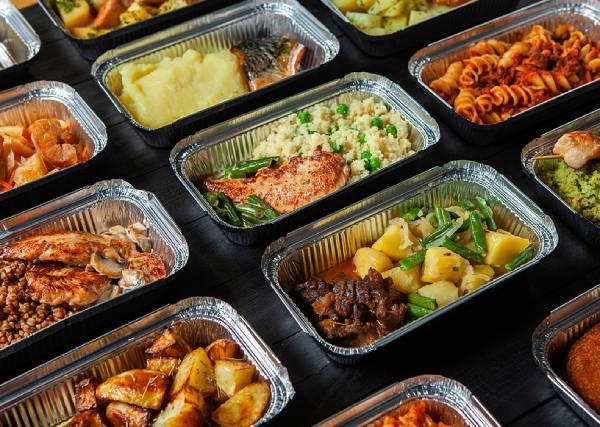
Workplace food choices are slowly shifting. Employees today are paying more attention to what they eat during work hours, and companies are noticing the difference it makes. A nourishing lunch can boost energy, support concentration, and help people avoid the sluggish feeling that often comes after heavy meals.
Catering providers across Singapore are responding by rethinking traditional menus. Instead of overly rich dishes or repetitive buffets, offices are starting to favour lighter options that still feel satisfying. From balanced grain bowls to plant-forward menus, healthy catering is becoming a practical part of workplace culture rather than a niche preference.
Below are five healthy office catering trends expected to shape workplace dining in Singapore in 2026.
1. Balanced grain bowls that keep energy levels stable
One of the biggest shifts in office catering is the growing popularity of grain bowls. These meals combine whole grains, lean proteins, and fresh vegetables, creating a balanced dish that keeps employees full without feeling overly heavy.
Grain bowls are especially popular because they are:
- Nutritionally balanced
- Easy to customise for different diets
- Colourful and visually appealing
- Suitable for both small teams and large gatherings
Common combinations include brown rice with grilled chicken and roasted vegetables, quinoa paired with salmon and avocado, or barley served with tofu and seasonal greens. The idea is simple: give employees meals that provide sustained energy rather than quick spikes followed by fatigue.
Many companies ordering buffet catering in Singapore now request healthier bowl-style stations that allow staff to assemble their own meals. This interactive element also makes lunch feel less routine and more engaging.
2. Plant-forward catering menus
Plant-based food used to be limited to vegetarian staff members. That’s no longer the case. More employees are choosing plant-forward meals simply because they feel lighter and easier to digest during busy workdays.
Plant-forward catering does not necessarily eliminate meat entirely. Instead, vegetables become the star of the plate, while proteins such as chicken, fish, tofu, or legumes play a supporting role.
Some popular dishes appearing on modern office menus include:
- Roasted vegetable couscous with chickpeas
- Mushroom and tofu stir-fry
- Lentil and vegetable curry
- Zucchini noodle salads with herbs
These dishes often contain high-fibre and nutrient-dense ingredients, helping employees stay energised throughout the afternoon. For companies organising buffet catering, plant-forward options also make it easier to accommodate mixed dietary preferences. Vegetarian, vegan, and flexitarian employees can all find something suitable without requiring completely separate menus.
3. Lean protein stations
Protein plays an important role in maintaining energy and focus during the workday. Instead of serving heavy fried dishes, many offices are requesting lean protein stations that highlight healthier cooking methods. Grilled, baked, or steamed preparations are becoming far more common in corporate catering. These options provide flavour without excessive oil or sauces.
Typical lean protein choices include:
- Grilled chicken breast with herbs
- Baked salmon with lemon and dill
- Steamed fish with ginger
- Tofu or tempeh marinated with soy and sesame
These proteins are usually paired with lighter sides such as steamed vegetables, fresh salads, or whole grains. Companies planning corporate events often combine these menus with sustainability efforts. For example, some teams coordinate catering alongside initiatives listed in an office manager’s checklist for planning eco-friendly events, ensuring both nutrition and environmental impact are considered. This combination of health and sustainability is expected to grow significantly over the next few years.
4. Lighter Asian-inspired dishes
Singapore’s food culture is rich and diverse, and healthy catering does not mean giving up familiar flavours. Instead, many caterers are redesigning traditional Asian dishes so they remain satisfying but less heavy.
These lighter versions often focus on reduced oil cooking methods, fresh herbs and spices for flavour, balanced portions of rice or noodles, and more vegetables in each dish. Examples that appear frequently in modern office menus include steamed herbal chicken, vegetable-rich fried rice with less oil, or clear broth noodle soups.
Another advantage of these options is their familiarity. Employees feel comfortable choosing dishes that resemble everyday local favourites, even when they are prepared in a healthier way.
5. Smart snack and refreshment stations
Healthy catering does not stop at the main meal. Many workplaces are adding snack stations that offer lighter refreshments throughout meetings or corporate events. Instead of sugary pastries or fried snacks, companies are opting for nutritious alternatives such as:
- Fresh fruit platters
- Greek yoghurt cups
- Mixed nuts and seeds
- Whole grain sandwiches
- Vegetable sticks with hummus
These snacks provide steady energy during long meetings or workshops without causing the afternoon slump many people associate with sugary treats. Refreshment stations also encourage employees to take short breaks, which can support productivity and workplace well-being.
Some offices even combine snack stations with hydration options like infused water, coconut water, or unsweetened teas, giving employees healthier beverage choices throughout the day.
Why healthy catering matters for workplace productivity
Healthy office catering is not simply a trend. It reflects a growing awareness that food plays a direct role in how employees feel and perform. When meals are overly rich or heavily processed, employees often experience fatigue, slower concentration, and reduced productivity. Balanced meals, on the other hand, support better energy levels and clearer thinking.
Healthy catering can also contribute to workplace culture by showing employees that their well-being is valued. Small changes, such as offering nutritious lunch options, can make a noticeable difference in morale.
From a practical perspective, healthier menus are also easier to manage for mixed dietary needs. With more employees adopting vegetarian, vegan, or flexible eating habits, balanced catering menus allow everyone to find something suitable without complicated arrangements.
Conclusion
Workplace dining is evolving quickly as companies become more aware of how food choices affect employee well-being and productivity. Balanced grain bowls, plant-forward menus, lean protein stations, lighter Asian dishes, and healthier snack options are shaping the direction of office catering in Singapore for 2026.
These changes do not require drastic adjustments. Small improvements to menu design can already make workplace meals more nourishing, satisfying, and inclusive for everyone involved. If your company is planning a corporate event or team gathering, Eatz Catering offers a wide selection of thoughtfully prepared menus designed for modern workplaces. Our team focuses on flavour, balance, and reliable service, helping organisations create enjoyable dining experiences that suit today’s healthier office catering expectations.