
Bento Food Safety: How Long Can Catering Boxes Be Kept?
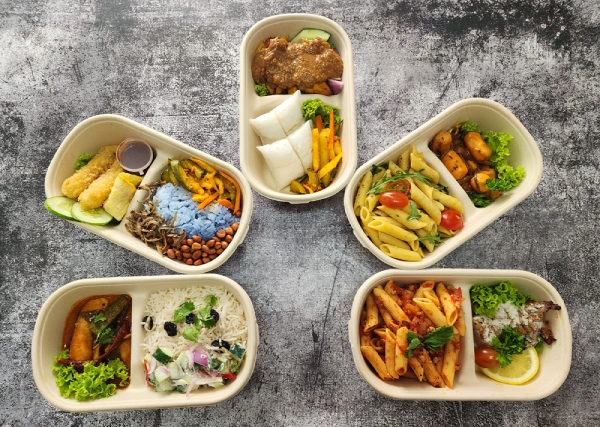
Food safety is one of those things people often only think about when an event is already underway. The food arrives, the boxes are laid out, guests are still trickling in, and someone suddenly asks, “How long can these stay outside?” It is a fair question, because catered food may look perfectly fine on the surface while slowly becoming less safe to eat if it is left out too long.
Bento meals are especially popular because they are convenient and easy to distribute at offices, schools, seminars, and private events. Still, convenience should always go hand in hand with proper handling. When you understand how long catering boxes can be kept, how they should be stored, and when they should be served, it becomes much easier to protect both food quality and your guests’ well-being.
Why bento food safety is important
Bento boxes are designed to make serving simple, but they still contain cooked food that needs proper care. Rice, meat, seafood, eggs, vegetables, sauces, and side dishes can all be affected by temperature and time. Once food is left at unsafe temperatures for too long, bacteria can multiply quickly.
That is why planning matters just as much as menu selection. Whether you are ordering lunch for a team meeting or arranging bento box catering in Singapore for a full-day event, you need to think beyond delivery timing. You also need to think about when guests will actually eat, whether the venue is air-conditioned, and whether extra storage is available if there is a delay. A well-packed meal is helpful, but no packaging can keep food safe forever if it is left sitting out for hours.
The general rule: Do not leave catered bento boxes out too long
A good rule to follow is this: perishable food should generally not be left at room temperature for more than two hours. If the environment is especially warm, that safe window may be even shorter. Singapore’s weather can be hot and humid, and if the boxes are placed in a non-air-conditioned area, exposed to direct sunlight, or kept in a warm vehicle, the food can become unsafe faster than many people realise.
This matters for all kinds of menus, whether the box contains rice meals, pasta, grilled items, salads, desserts, or even sides that resemble filling finger foods. Once the food has sat out too long, reheating it later does not always solve the problem.
What affects how long bento boxes can be kept
Not every catering order behaves the same way. Several factors influence how long a bento box stays safe and appetising.
1. The type of food inside
Some foods spoil faster than others. Meals with seafood, eggs, dairy-based sauces, or moist cooked dishes may be more sensitive than dry baked items or sealed snacks. Rice and noodles also need attention because they can become unsafe if held too long at the wrong temperature.
2. The surrounding temperature
Air-conditioned indoor settings are generally better than outdoor or naturally ventilated spaces. Even then, room temperature holding is still limited. A cool office meeting room is safer than an open event area, but it is not a substitute for chilled storage.
3. The time between delivery and eating
This is where many event organisers get caught out. Food may arrive on time, but if registration runs late, speeches overrun, or attendees are delayed, the actual eating time may be pushed back. A delay of even one to two hours can make a difference.
4. Whether the boxes stay sealed
Keeping boxes closed helps protect the food from contamination and slows down quality loss a little. Once opened, the food is more exposed to air, handling, and environmental conditions.
Best timing for serving catered bento boxes
The safest and simplest approach is to serve bento boxes as close to mealtime as possible. That means working backwards from the actual time people will eat, not just the time the event begins.
For example, if a seminar starts at 12pm but lunch is only scheduled for 1pm, it usually makes more sense for the food to arrive nearer to 12.45pm rather than right at the start. The earlier the food arrives, the longer it sits.
Here is a simple guide:
Situation | Better approach |
Guests will eat immediately | Arrange delivery just before serving time |
Guests will eat within 30 to 60 minutes | Keep boxes sealed in a cool indoor area |
Guests will eat much later | Use refrigeration if possible |
Event timing is uncertain | Speak to your caterer early about the safest arrangement |
This is one reason experienced caterers often ask detailed timing questions before confirming an order. They are not just being cautious, but are helping you avoid preventable food safety issues.
Can bento boxes be stored for later?
Yes, but only if they are stored properly and only if the food has not already been left out too long.
If the bento boxes arrive early and you know they will not be eaten straight away, refrigeration is the safer option. The food should be moved into a fridge or chiller as soon as possible. Leaving it on a pantry counter “for a while” before refrigerating is not ideal, because that extra time still counts.
When refrigerated promptly, some bento meals may be kept for later consumption, depending on the ingredients. Even then, quality can drop. Rice may dry out, fried items can turn soggy, vegetables may lose texture, and sauces may separate. Safe storage is not just about whether the food is still edible. It is also about whether it still tastes good enough to serve.
Signs that catered food should not be served
People sometimes rely too much on smell or appearance, but unsafe food does not always look spoiled. Even so, there are obvious warning signs you should never ignore.
Do not serve the food if:
- it has been left out for too many hours
- the box feels unusually warm when it should not be
- there is a sour or odd smell
- the texture looks slimy, watery, or dried out in an unusual way
- the packaging is damaged, leaking, or contaminated
- you are unsure how long it has been sitting out
When in doubt, it is better to replace the food than to risk guests falling ill.
Practical tips for event organisers
Food safety is easier to manage when the event plan is realistic. A few small decisions can make a big difference.
1. Match delivery time to actual meal time – Try not to schedule food too early just for convenience. It is better for guests to wait a few minutes for fresh food than for the food to wait too long for guests.
2. Prepare storage space in advance – If your venue has fridge space, confirm it before the event day. Do not assume an office pantry fridge will have enough room for a large order.
3. Keep boxes in a cool indoor area – If refrigeration is not available for a short period, at least keep the boxes away from sunlight, heat, and outdoor exposure.
4. Avoid unnecessary opening – Do not open all the boxes early just to “get ready”. Keeping them sealed helps reduce exposure and keeps the food in better condition until serving time.
5. Brief your team – Anyone helping with setup should know the meal timing plan. When people are unsure, food often gets unpacked too early or left sitting out by mistake.
Why proper planning matters for guest experience too
Food safety is the priority, but timing also affects quality. A bento meal that has been kept properly is more enjoyable to eat. Rice stays softer, proteins taste fresher, vegetables keep their texture, and the overall meal feels more satisfying.
On the other hand, food that has been sitting around too long can feel dry, stale, greasy, or limp, even if it has not clearly spoiled. Guests notice these things. A meal may still fill them up, but it will not leave the same positive impression.
Questions worth asking your caterer
Before placing an order, it helps to ask a few practical questions:
- What is the recommended serving window after delivery?
- Which items are more temperature-sensitive?
- Can the delivery be timed closer to the meal break?
- Are reheating instructions available if needed?
- Which menus are better for events with delayed eating times?
These questions help you choose a menu and delivery setup that works for your event instead of creating unnecessary stress later.
Conclusion
Keeping catered bento boxes for too long can affect both food safety and eating quality, so timing should never be treated as an afterthought. The safest approach is to serve meals as close to delivery time as possible, keep them in a cool environment, and refrigerate them promptly if they will be eaten later.
If you are planning an event and want guidance on suitable meal timing, menu options, and dependable service, talk to Eatz Catering. Our team can help you choose practical catering solutions that make serving easier while keeping your guests well looked after.