
How To Choose The Best Iftar Catering For Small Groups
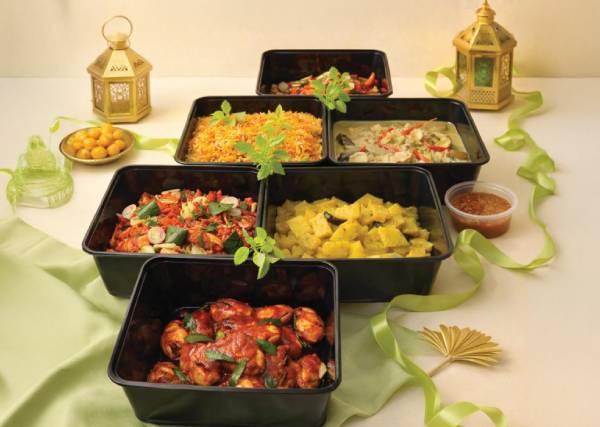
Gathering for Iftar is always a meaningful moment during Ramadan. After a full day of fasting, the first few bites shared with family, friends, or colleagues often feel especially comforting. For smaller groups, the experience can feel even more personal, allowing everyone to relax and enjoy the meal together without the rush or crowd of larger events.
Planning the meal, however, can still take a bit of thought. Even with a small group, choosing the right menu, portion sizes, and catering service plays a big part in shaping the evening. The right choice can turn a simple meal into a warm and memorable gathering where everyone leaves feeling satisfied and appreciated.
Below are some helpful considerations when choosing the best Iftar catering for small groups.
Start with the right menu variety
Food is the centrepiece of any Iftar gathering. When selecting a catering service, one of the first things to consider is whether the menu offers enough variety to satisfy everyone at the table.
A good Iftar menu usually includes a mix of familiar Ramadan staples and comforting mains. Variety matters because even within a small group, people often have different tastes and dietary needs.
Some menus commonly include:
- Dates and light starters to break the fast
- Soups or light appetisers
- Rice or noodle dishes
- Protein options such as chicken, beef, or fish
- Vegetables and lighter side dishes
- Desserts and traditional sweets
When exploring Ramadan catering options, look for caterers that balance flavourful mains with lighter dishes. After a full day of fasting, meals that are too heavy can leave guests feeling sluggish instead of refreshed. A thoughtfully planned menu ensures everyone finds something they enjoy while keeping the meal comfortable and balanced.
Check portion sizes carefully
One of the most common challenges with catering for small groups is getting the portions right. Ordering too little leaves guests hungry, while ordering too much often leads to unnecessary waste.
Caterers usually structure their packages around a set number of people, so it helps to confirm exactly how much food is included per person. Some caterers design menus specifically for intimate gatherings, which helps keep portions appropriate.
You may want to ask:
- How many dishes are included per package?
- Are the portions designed for sharing or individual servings?
- Can you customise the quantity of certain dishes?
A quick conversation with the caterer can help you avoid over-ordering while still making sure everyone has plenty to enjoy.
Look for flexible catering packages
Small gatherings often benefit from flexibility. Unlike large corporate events, the guest list for an Iftar meal at home or in a small office setting can change easily. Good caterers understand this and offer packages that allow adjustments. This flexibility might include customising the number of dishes, swapping certain menu items, adjusting portion sizes, and accommodating last-minute guest changes.
Some caterers even provide niche options such as low-carb and keto-friendly small group catering, which can be useful when guests have specific dietary preferences. Flexible packages make planning easier, especially during Ramadan when schedules and plans sometimes shift unexpectedly.
Pay attention to food quality and freshness
Quality matters just as much as variety. After fasting for many hours, people tend to appreciate food that tastes fresh, well-prepared, and comforting.
Before choosing a caterer, consider checking:
- Online reviews or testimonials
- Photos of previous catering setups
- Recommendations from friends or colleagues
- Sample menus or tasting options if available
Freshly prepared food, balanced seasoning, and proper packaging all contribute to a better dining experience. Guests often notice these small details, especially during a meaningful occasion like Iftar. Even for small groups, quality food creates a sense of care and hospitality.
Consider delivery timing and reliability
Timing plays a crucial role during Iftar. The meal needs to arrive before sunset so that everything is ready when it is time to break the fast. Reliable caterers understand this and schedule deliveries carefully. When evaluating your options, ask about the estimated delivery windows, buffer time before Iftar, packaging that keeps food warm, and setup services if needed.
Some caterers deliver meals slightly earlier to allow hosts enough time to arrange the dishes nicely on the table. A dependable delivery schedule helps reduce stress and ensures the meal begins smoothly.
Decide between individual bento or shared dishes
For small group gatherings, caterers often offer two common serving styles: individual bento sets or shared platters.
Each option has its advantages.
| Serving Style | Best For | Benefits |
| Bento Sets | Offices or structured gatherings | Easy distribution, controlled portions |
| Shared Platters | Family or casual gatherings | Encourages sharing and conversation |
Shared platters tend to create a more traditional dining experience where everyone passes dishes around the table. Bento sets, on the other hand, offer convenience and simplicity. Choosing the right style depends on the atmosphere you want to create.
Make sure the menu feels Ramadan-appropriate
A thoughtful Iftar meal usually reflects the spirit of Ramadan. Many caterers design their menus with this in mind, including dishes that are comforting, nourishing, and familiar to guests observing the fast.
Common elements of Ramadan-friendly menus include dates and light starters to ease the body into eating, soups that warm the stomach gently, balanced meals that combine protein, grains, and vegetables, as well as desserts that feel celebratory without being overly heavy. Meals that follow this natural progression tend to feel more satisfying and enjoyable.
Check setup and packaging options
Even small gatherings benefit from a good presentation. The way food is packed and arranged can influence how welcoming the meal feels.
Some caterers provide disposable serving trays, elegant platters for hosting, clear labelling of dishes, and compact packaging for easy table setup. If you are hosting at home, neatly arranged trays make it easier to present the food without spending too much time transferring dishes. For office settings, organised packaging allows colleagues to start the meal quickly and comfortably.
Keep budget and value in mind
Cost always plays a role when choosing catering, but value matters more than simply finding the lowest price.
A slightly higher price may include benefits such as:
- Larger portion sizes
- More menu variety
- Better packaging
- Reliable delivery
- Higher food quality
When comparing options, it helps to look at the entire package instead of focusing only on price per person. Sometimes the most affordable choice ends up costing more if portions are too small or the service is unreliable.
Conclusion
Hosting an Iftar gathering for a small group can be simple and rewarding with the right preparation. Thoughtful menu choices, suitable portion sizes, reliable delivery, and good food quality all contribute to a comfortable and enjoyable meal.
Small gatherings often feel the most meaningful. Conversations flow more easily, the table feels welcoming, and everyone has the chance to connect after a day of fasting.
If you are planning an upcoming Iftar meal, working with an experienced caterer can help make the process effortless. Eatz Catering offers thoughtfully prepared menus and reliable service designed to support Ramadan gatherings of all sizes. From intimate meals to larger events, our team can help you create an enjoyable Iftar experience that brings people together around good food.