
The Procrastinator’s Guide: Secure Your Ramadan Catering
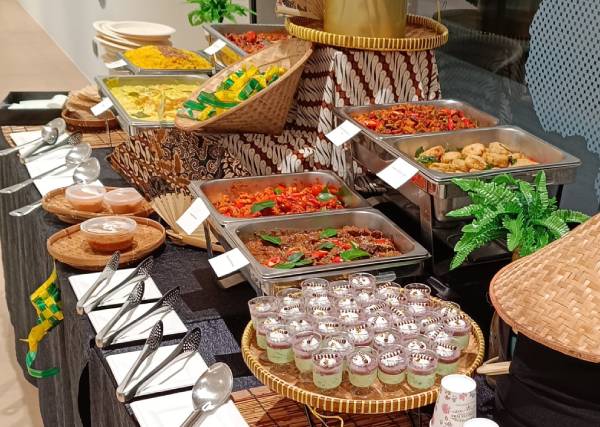
Deadlines creep up quickly, and before you know it, Ramadan events are just around the corner. Perhaps the office suddenly decided to host an Iftar gathering, or a client appreciation dinner was scheduled at the last minute. Whatever the reason, scrambling to organise a meal during a busy period can feel stressful.
The good news is that arranging a meaningful and enjoyable gathering doesn’t always require months of preparation. With a few practical steps and a clear plan, even late planners can still secure good food, reliable service, and a smooth experience for everyone involved.
This procrastinator-friendly guide will walk you through simple ways to organise your event quickly and confidently, even when time is tight.
Start with a quick guest estimate
The first step is surprisingly simple: estimate how many people you’re feeding.
You don’t need an exact headcount immediately, but having a rough number helps caterers recommend suitable packages and portions. For workplace events, this usually means checking attendance lists or asking teams to confirm quickly.
If responses are still coming in, use a range instead. For example:
- 20–25 guests
- 40–50 guests
- 80–100 guests
Most caterers are used to last-minute adjustments, especially during Ramadan. Giving them a realistic estimate allows them to guide you towards menus that are easier to prepare and scale.
Choose a catering style that’s easy to arrange
When time is limited, complicated setups can slow things down. Focus on catering styles that are simple to coordinate and quick to deliver.
Some popular options include:
1. Buffet-style catering
- Suitable for medium to large groups
- Offers a wider variety of dishes
- Guests can serve themselves
2. Mini buffet
- Ideal for smaller teams or departments
- Often requires less space and setup
- Easier to manage for casual gatherings
3. Bento or individual meals
- Clean and convenient
- Works well for office environments
- Reduces waiting time
For example, some companies opt for bento box catering when organising smaller office Iftar sessions because it simplifies distribution and keeps things tidy. If you’re arranging Ramadan catering at short notice, flexible formats like these make the process much easier.
Focus on crowd-pleasing Ramadan dishes
A common concern when planning quickly is whether the food will suit everyone’s preferences. The simplest solution is to prioritise dishes that are widely enjoyed and familiar during Ramadan.
Typical menus often include:
- Fragrant rice dishes, such as briyani or nasi minyak
- Grilled meats like chicken, beef, or lamb
- Classic Malay or Middle Eastern sides
- Refreshing desserts and fruits
- Traditional drinks for breaking fast
These dishes tend to satisfy most guests while keeping preparation manageable for the caterer. You don’t need a long menu. A balanced selection of proteins, vegetables, carbohydrates, and light desserts is usually more than enough.
Ask caterers about availability immediately
When planning late, the biggest challenge is often availability rather than menu choices.
Ramadan is one of the busiest periods for food providers, especially for Iftar events and corporate gatherings. That means it’s best to contact caterers as soon as possible rather than spending too long comparing options.
When reaching out, keep your message simple and clear:
- Event date
- Estimated number of guests
- Preferred catering style
- Delivery location
- Budget range (optional)
This helps caterers quickly tell you whether they can accommodate your request. Even if your preferred provider is fully booked, they may still offer alternative slots or menu options.
Keep the setup simple
Another common mistake when organising last-minute events is overthinking the setup. A Ramadan gathering doesn’t need elaborate decorations or complicated service arrangements to feel meaningful. Many workplaces keep things comfortable and relaxed so colleagues can focus on sharing the meal.
Simple setups might include:
- Buffet tables placed along one wall
- Disposable or eco-friendly serving ware
- Clearly labelled food stations
- Water and drink stations nearby
This approach reduces preparation time while still creating a welcoming atmosphere.
Plan delivery timing carefully
Timing matters a lot during Ramadan events, especially for Iftar meals. Food should arrive close enough to the breaking-fast time so it stays fresh, but not so late that guests feel rushed.
A practical guideline is to schedule delivery 30–45 minutes before Iftar. This gives your team enough time to arrange dishes neatly, set up plates and utensils, and brief guests on the food layout. Caterers experienced in Ramadan catering usually understand these timing considerations and can recommend suitable delivery windows.
Confirm the key details before the event
Last-minute planning often leads to small details being overlooked. Before the event day arrives, take a moment to double-check the essentials with your caterer.
Here’s a simple checklist:
| Detail | Why It Matters |
| Final guest count | Ensures correct food portions |
| Delivery time | Prevents delays during Iftar |
| Setup requirements | Avoids confusion at the venue |
| Contact person | Helps drivers locate the site quickly |
| Special dietary needs | Ensures everyone can enjoy the meal |
Spending a few minutes confirming these details can prevent unnecessary stress later.
Consider dietary preferences
Many teams today have diverse dietary preferences, so it helps to ask caterers about flexible menu options.
Common considerations include halal-certified food, vegetarian dishes, lower-carb meal options, and allergen-friendly selections. These options help ensure that everyone can participate comfortably in the gathering. Even simple adjustments can make guests feel included and appreciated.
Set a realistic budget
Last-minute bookings sometimes create the impression that costs will automatically increase. While premium menus may be more limited closer to Ramadan dates, many caterers still offer reasonably priced packages. The key is to prioritise essentials rather than luxury extras.
For example:
- Choose fewer dishes but ensure they’re well prepared
- Avoid unnecessary décor upgrades
- Focus on food quality and reliability
A thoughtful menu often leaves a stronger impression than an overly complicated one.
Assign a small event team
Trying to handle everything alone can make the process feel overwhelming. Instead, involve a small group of colleagues to help coordinate the event. Tasks can be split easily by having one person confirm the catering order, another manage guest RSVPs, and someone else prepare the venue setup. Sharing responsibilities ensures everything runs smoothly while reducing pressure on any one individual.
Don’t forget the purpose of the gathering
When planning an event quickly, it’s easy to become overly focused on logistics. Food, schedules, and headcounts matter, but the heart of a Ramadan gathering is still connection.
These moments allow colleagues, clients, and friends to pause from their routines and share a meaningful meal together. A relaxed, welcoming environment often leaves a stronger impression than a perfectly orchestrated event.
Conclusion
Organising an Iftar event at the last minute may seem daunting, but it’s far more manageable than it first appears. With a clear guest estimate, a practical catering style, and good communication with your provider, you can still create a warm and memorable gathering.
If you’re planning an upcoming Ramadan event and need reliable support, Eatz Catering is ready to help. Our team provides thoughtful menu options and dependable service to ensure your gathering runs smoothly, even when planning time is short. Reach out to us to learn how we can assist with your Ramadan event catering needs.