
Full-Day Seminar Catering: 2026 Planning Checklist
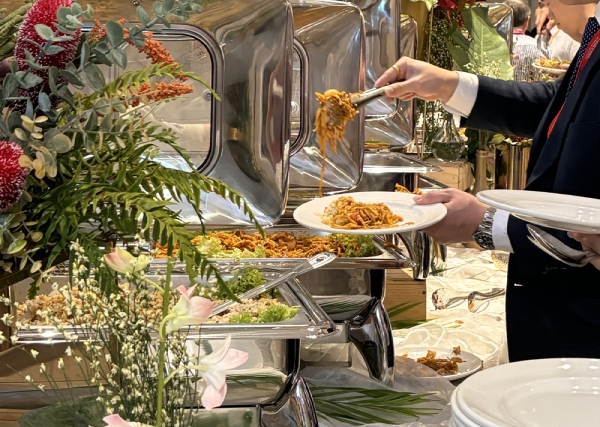
A full-day seminar asks a lot from everyone in the room. Guests are expected to stay alert, absorb information, take part in discussions, and still have enough energy left by the final session to stay engaged. That’s hard to do when meals are poorly timed, portions are too heavy, or dietary needs are treated as an afterthought. Good catering does more than fill stomachs. It supports the flow of the day and helps people feel looked after.
Planning food for a seminar also comes with practical challenges. You have to think about timing, venue rules, guest numbers, service style, and whether people can eat comfortably without disrupting the programme. When these details are handled well, the event feels smoother from start to finish. Here’s a practical checklist to help you plan full-day seminar catering that keeps guests comfortable and focused.
1. Start with your seminar schedule, not just your menu
Before choosing dishes, look at the event flow.
A full-day seminar often includes registration, opening speeches, breakout sessions, networking, and a final wrap-up. Food has to fit around those moments rather than compete with them. A good meal can keep people energised, but a badly timed one can delay the programme or leave guests distracted.
Map out key timings first:
- Registration and arrival
- Morning tea break
- Lunch
- Afternoon tea break
- End-of-day refreshments, if needed
This gives you a clearer sense of what kind of catering setup works best. For example, a packed seminar with short breaks may need food that’s quick to serve and easy to eat. A more relaxed corporate event may allow for a fuller buffet spread and a longer lunch.
2. Confirm your guest profile early
Not every seminar crowd eats the same way. A training session for office staff may have different expectations from a seminar for educators, healthcare workers, business owners, or community groups.
Think about:
- Age range of attendees
- Professional setting and formality
- Cultural preferences
- Dietary restrictions
- Whether guests will be seated throughout or moving around
This matters because food should feel appropriate for the audience. If your attendees are fasting, vegetarian, elderly, or likely to prefer lighter meals, that should shape your choices from the beginning.
When planning seminar catering in Singapore, this step is especially useful because guest lists are often diverse. It’s common to have a mix of halal requirements, vegetarian requests, and guests who prefer lighter or less spicy options. Getting a rough dietary breakdown early helps avoid last-minute scrambling.
3. Choose meal timings that support attention spans
A seminar can lose momentum when people get hungry too early or too sleepy after lunch.
As a general guide, you’ll want:
- A light morning break around 10.00am to 10.30am
- Lunch between 12.00pm and 1.00pm
- An afternoon break around 3.00pm to 3.30pm
Spacing meals properly helps guests stay comfortable throughout the day. It also reduces the chances of people slipping out to buy coffee or snacks elsewhere. That said, try not to serve lunch too late. Once people get hungry, concentration drops quickly. At the same time, avoid overly long meal breaks unless networking is a key part of the event.
4. Pick food that’s satisfying, but not too heavy
This is where many seminar organisers get caught out. A menu may look generous on paper, but if it leaves people sluggish after lunch, it can affect the rest of the programme.
Heavy fried foods, rich cream-based dishes, and overly filling carbs can make afternoon sessions harder to sit through. Lighter, balanced meals are often a better fit for professional events. There’s a reason people say healthier choice buffet menus boost work productivity, especially when guests need to stay switched on for presentations and discussions.
Good seminar-friendly options often include:
- Grilled proteins instead of heavily fried items
- Vegetable sides that are easy to enjoy
- Rice, pasta, or noodles in moderate portions
- Fresh fruit or lighter desserts
- Tea, coffee, and water stations for all-day hydration
The goal isn’t to make the meal boring. It’s to keep it enjoyable while helping guests remain alert.
5. Match the catering format to the venue and event style
Not every seminar needs the same catering setup. Some events work well with a buffet, while others are better suited to individual bentos, packed meals, or tea break platters. Your choice depends on guest numbers, space, and how much time is available for each break.
Here’s a simple comparison:
Catering format | Best for | Things to note |
Buffet setup | Larger groups, longer lunch breaks, more menu variety | Needs enough space and orderly crowd flow |
Bento meals | Tight schedules, seated events, smaller spaces | Faster distribution, less movement |
Mini buffet | Mid-sized groups with limited space | Flexible and easier to manage |
Tea break platters | Short refreshment breaks | Best paired with hot drinks and light snacks |
A buffet can feel more generous and give guests a choice, but it also takes more movement and queue time. Bentos are efficient, but they can feel less social. Think about what best supports the tone and pace of your event.
6. Don’t overlook dietary needs
This should be part of your checklist from day one, not something you solve a day before the seminar.
Ask early whether guests have:
- Halal requirements
- Vegetarian or vegan preferences
- Food allergies
- Gluten intolerance
- Health-related dietary restrictions
Even if only a few guests need special meals, making arrangements matters. It shows care and avoids awkward situations on the event day. A good rule of thumb is to ask for dietary details during registration, then review them before confirming the final order.
It’s also wise to ask your caterer how these meals will be labelled and served. Separate labelling helps guests feel more confident about what they’re eating.
7. Think beyond lunch
When people hear “catering”, they often focus only on the main meal. For a full-day seminar, though, smaller refreshment moments matter just as much.
A decent morning tea break can help guests settle in and recharge before the first long session. An afternoon break can be the thing that saves the final stretch of the day from feeling flat.
Useful tea break items may include:
- Mini sandwiches
- Pastries
- Curry puffs or savoury bites
- Cut fruit
- Muffins or small cakes
- Coffee and tea
Keep portions manageable. Guests should feel refreshed, not too full to return to the room.
8. Plan for practical serving logistics
Even great food can become a problem if the setup is chaotic. Think through the following:
- Where will the food be placed?
- Will there be enough tables for serving?
- Can guests move through the line comfortably?
- Is there staff support for topping up or clearing items?
- Are bins placed nearby for easy cleanup?
- Is water accessible throughout the day?
These details affect how smooth the experience feels. If lunch service takes too long, your next session may start late. If drinks run out halfway through the afternoon, guests will notice. Simple planning prevents avoidable disruption.
9. Factor in portion planning carefully
Ordering too little is stressful. Ordering far too much can feel wasteful and expensive. Most caterers can advise on portioning based on your guest count and event type, but you should still give accurate information. Let them know whether the audience is mostly adults, whether the event spans a full day, and whether the meal is the main lunch or just a light break.
You may also want to buffer slightly for:
- Speakers and support staff
- Last-minute attendees
- Guests with bigger appetites after long sessions
That said, avoid wildly over-ordering unless there’s a clear reason.
10. Check venue rules before confirming anything
This sounds basic, but it’s missed more often than you’d think. Some venues have restrictions on:
- External caterers
- Setup times
- Cleanup requirements
- Use of warming equipment
- Waste disposal
- Placement of drink stations
Confirming these details early helps you avoid problems on the day. It also allows your caterer to plan setup and service more efficiently.
11. Build in a little flexibility
Even well-planned seminars can change. Sessions run over time. Guest numbers shift. A speaker arrives late. A break gets shortened.
That’s why flexible catering arrangements can make a big difference. Choose a caterer who understands corporate event flow and can adapt when needed. It also helps to keep communication open, so everyone knows who to contact if timings change during the event.
A simple event-day checklist can help:
- Final headcount confirmed
- Dietary meals accounted for
- Delivery and setup time confirmed
- Venue access checked
- Serving layout planned
- Contact person assigned
- Programme timings shared with caterer
12. End the day on a positive note
The last impression matters too. Guests may not remember every slide, but they’ll remember whether the event felt organised and considerate. A well-fed audience is usually more patient, more receptive, and more likely to leave with a positive impression of the seminar. Catering plays a quiet but important role in that. When food is timed properly, suitable for the crowd, and easy to enjoy, it supports the whole event rather than sitting on the sidelines.
Conclusion
Planning food for a full-day seminar isn’t just about choosing dishes that sound nice. It’s about creating a day that runs smoothly, keeps people comfortable, and supports the purpose of the event from morning to evening. When timings, portions, dietary needs, and service style are all thought through properly, guests can focus on the seminar instead of wondering when lunch is coming.
If you’re preparing for an upcoming corporate event, talk to Eatz Catering about your seminar plans and catering needs. Our team can help you choose practical, well-balanced options that suit your schedule, your guests, and the flow of your event.