
How To Calculate Food Portions For 100 Pax And Above
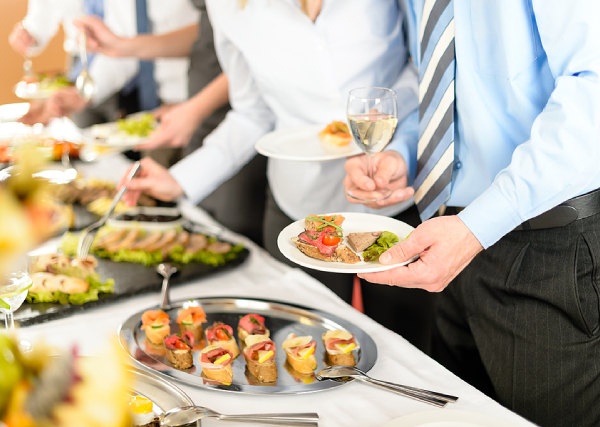
Whether you are organising a corporate dinner, a family celebration, or wedding catering, the anxiety is real: what if there is not enough food? What if you end up with mountains of leftovers? Getting the quantities right saves money, reduces waste, and most importantly, ensures every guest leaves satisfied.
The good news is that calculating food portions for 100 pax and above does not require a culinary degree. It requires a few reliable rules of thumb and an honest look at who your guests are and how your event is structured. Once you understand the logic behind portion planning, the numbers start to fall into place quite naturally.
Start with the type of meal service
Before you crunch a single number, you need to nail down your service style. This single factor influences everything else.
Buffet vs plated vs food stations: each changes how much food you need:
- Buffet: Guests serve themselves, which typically means they take more. You should plan for roughly 10–15% more food than a plated meal to account for generous self-portioning.
- Plated/set meal: Portions are controlled, so quantities are easier to predict. Wastage is lower.
- Food stations or live counters: Similar to buffet logic, but guests tend to graze in smaller amounts across multiple stations, which can actually balance out total consumption.
For events of 100 pax and above, buffet-style is common in Singapore, especially for corporate and social events. Keep that 10–15% buffer in mind from the start.
The core formula: Per-person portions
Here is a practical baseline to work from for a standard buffet meal in Singapore:
Food Category | Per Person (Approx.) |
Rice or noodles (main starch) | 150–180g |
Protein dishes (meat/seafood) | 150–200g total |
Vegetable dishes | 100–120g total |
Desserts/kueh | 1–2 pieces |
Drinks | 2–3 servings |
For a buffet spread serving 100 guests, a good rule is to offer one dish per 25–30 pax. So a spread for 100 pax should include at least 4–5 main dishes, 2–3 vegetable options, a starch, and at least one dessert. Variety helps manage consumption. When guests have more to choose from, they tend to take smaller amounts of each item.
Factor in your guest profile
Not all crowds eat the same way, and experienced caterers know this well. Before you finalise your order, do ask a caterer before you confirm your booking what adjustments they would recommend based on the type of event and guest demographic.
Some key considerations:
- Age group: A room full of teenagers or young adults will eat significantly more than a gathering of seniors or young children. If your event is a mix, the average tends to even out, but it is worth noting if one group heavily dominates.
- Time of day: Lunch crowds typically eat 15–20% less than dinner guests. Evening events, especially those with drinks and socialising beforehand, tend to drive higher food consumption.
- Event duration: A two-hour lunch has different eating patterns compared to a four-hour dinner reception. Longer events mean more grazing, more return trips to the buffet line.
- Dietary requirements: In Singapore’s multicultural context, you will almost always need to account for halal, vegetarian, and sometimes vegan options. If 20% of your guests require specific dietary options, ensure those dishes are portioned adequately and not treated as an afterthought.
The 10% buffer rule
No matter how carefully you calculate, always add a 10% buffer to your final numbers. This covers:
- Guests who arrive hungry and eat more than expected
- Spillage and plating losses during service
- Last-minute additions to the guest list
- General unpredictability that comes with any live event
For 100 pax, this means planning your food quantities as though you are feeding 110. For 200 pax, plan for 220. It is a small cost relative to the risk of running short.
Catering for larger numbers: Scaling up sensibly
One thing that surprises many first-time event organisers is that catering for 200 is not simply double the cost or complexity of catering for 100. There are economies of scale at play; bulk purchasing, streamlined prep, and shared equipment costs all help.
However, scaling up also introduces logistical considerations:
- Replenishment planning: For events of 150 pax and above, dishes need to be replenished throughout service. Work out a replenishment schedule with your caterer so food does not run out halfway through the first wave of guests.
- Chafing dishes and keeping temperatures: Hot food must be held above 60°C to remain safe for consumption. The Singapore Food Agency recommends that perishable food should not remain in the temperature danger zone (between 5°C and 60°C) for more than two hours. For a large event, this is non-negotiable.
- Layout and flow: With 100 or more guests, buffet line congestion is an issue. Consider having mirrored buffet lines on both sides of the table to halve waiting time.
Quick reference: Portion checklist for 100 pax buffet
Before you confirm any booking, run through this list:
- Identified service style (buffet, plated, stations)
- Confirmed number of confirmed guests + 10% buffer
- Noted age group, time of day, and event duration
- Listed all dietary requirements
- Planned minimum 4–5 main dishes for 100 pax
- Confirmed replenishment plan with caterer
- Verified food safety and temperature holding arrangements
Conclusion
Portion planning gets easier with experience, and that is exactly what a professional caterer brings to the table (literally). At Eatz Catering, we have handled events of all sizes across Singapore, from intimate corporate lunches to large-scale celebrations with hundreds of guests. We help you plan the right quantities, the right menu mix, and the right service style so you can focus on enjoying your event rather than worrying about whether there is enough laksa to go around.
If you are planning an event and want a team that gets the details right, get in touch with Eatz Catering today. We would love to help you create a spread your guests will genuinely remember.