
What’s Cooking? Emerging Halal Food Trends In 2025
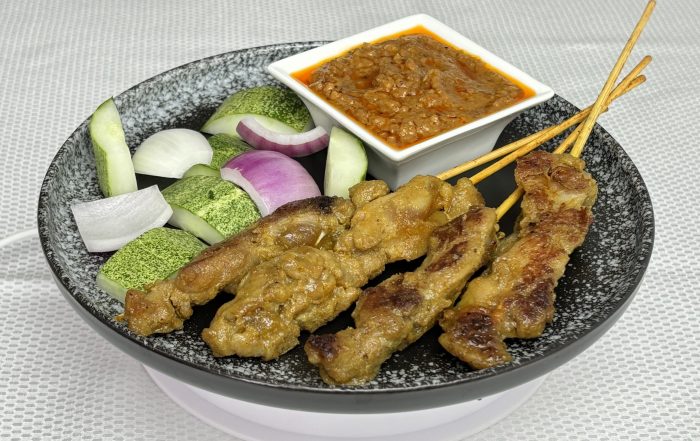
Singapore is no stranger to pushing culinary boundaries, and the halal food scene is no exception. In recent years, halal cuisine here has evolved beyond traditional offerings to include international flavours, plant-based options, and artisanal experiences. From hawker stalls to cafés and full-scale halal catering in Singapore, the market is vibrant, diverse, and constantly innovating.
With such dynamic energy at home, it’s no surprise that Singapore’s halal food trends are part of a much larger global wave. But have you ever wondered what’s trending outside our little red dot? As halal certification becomes more widespread and consumer expectations grow, halal food is getting a global glow-up, both in flavour and form. Let’s take a look at what 2025 is cooking up on halal plates around the world.
1. Global flavours meet halal standards
Fusion is the flavour of the year. While Middle Eastern and Southeast Asian dishes remain firm favourites, chefs are increasingly drawing inspiration from Latin American, Korean, and Mediterranean cuisines. Picture halal kimchi tacos, halal-certified churros with pandan dipping sauce, or Moroccan lamb burgers with gochujang mayo.
In Singapore, we’re already seeing halal-certified sushi burritos and halal Greek wraps gaining popularity at events and casual eateries. These globally-inspired, locally adapted menus are especially hot among younger crowds who want new experiences without compromising religious or dietary practices. It’s also why many couples today look for wedding buffet catering in Singapore that offers variety beyond the usual staples – think halal tapas bars or Thai-inspired buffet stations.
2. Clean eating and conscious choices
In 2025, halal food goes beyond certification and into wellness. Consumers are growing more conscious about what goes into their meals, looking for organic, less processed, and ethically sourced options. This has led to the rise of ‘clean halal’ or ‘conscious halal’ dining, where nutritional transparency and sustainability are just as important as taste.
Whether it’s a corporate event, family celebration, or wedding, halal catering is starting to reflect this shift. Menus now feature plant-based proteins, whole grains, and low-GI carbs. You’ll find more quinoa salads, cauliflower rice bowls, grilled proteins, and air-fried snacks, making it easier to indulge guilt-free. Even desserts are evolving, with sugar-free or dairy-free options crafted beautifully to please both the eye and the palate.
3. Tech meets the table
From QR code menus to AI-generated recipes, tech is transforming the way we experience food. For halal dining, this means smarter sourcing and more transparent processes. Blockchain is now being explored to trace halal meat from farm to table, ensuring authenticity every step of the way. In some regions, apps allow consumers to scan and verify halal products instantly, which is a useful tool for the global Muslim traveller.
Closer to home, digital convenience is changing the catering game. Many halal catering services now offer full digital experiences from menu selection to payment to feedback forms, making it easy for customers to customise orders or cater to multiple dietary needs. Some services even use virtual tasting sessions so clients can “sample” their menu remotely before committing.
4. Rise of artisanal and small-batch halal
Big isn’t always better. In 2025, small-batch, artisanal halal food is gaining traction for its authenticity and attention to detail. Consumers are leaning towards hand-crafted items made with love, whether it’s wood-fired halal pizzas, single-origin halal coffee, or farm-to-table platters for events.
This shift is also being mirrored in event catering. Gone are the days when halal meant mass-produced or overly familiar food. Today’s hosts want curated experiences, like grazing tables with halal charcuterie, mini halal dessert bars, and even live cooking stations at weddings or corporate functions. If you’re planning a wedding buffet catering, a personalised, artisanal menu can make your big day feel truly special and unique. And thanks to Singapore’s strong food safety culture, hygiene is still a priority, even when going for that artisanal vibe. In fact, most established vendors are well-versed in hygiene guidelines for a buffet caterer, ensuring peace of mind along with full bellies.
5. Halal street food reimagined
Street food is getting a gourmet twist in the halal world. Think truffle-infused satay, wagyu beef murtabak, and lobster laksa. With global interest in street food culture on the rise, halal vendors are stepping up their game, not only in flavour but in presentation and service.
In Singapore, this trend is reflected in how food trucks and pop-up concepts are being used for weddings, corporate parties, and community events. They bring nostalgic comfort with a modern flair, often paired with chic décor and social media-friendly setups.
6. Mindful snacking and portable portions
Busy lifestyles are driving the demand for convenient, nutritious, and halal-certified snacks. The 2025 halal snack scene includes everything from protein-packed hummus snack packs to halal jerky made with organic spices. Portable bento-style meals are also in trend, ideal for on-the-go consumption without sacrificing health or taste.
For events and office settings, these grab-and-go options are increasingly popular. Modern halal catering now offers individually portioned meals and mini-packs that are both stylish and practical, especially helpful for those following specific dietary or fasting schedules.
7. Plant-based halal gains ground
With plant-based diets becoming more mainstream globally, it’s no surprise that halal-certified vegan and vegetarian offerings are expanding. More chefs are experimenting with jackfruit, tempeh, tofu, lentils, and legumes as hearty, flavour-packed meat alternatives.
This not only caters to vegans and vegetarians but also to those simply wanting lighter or more ethical food choices. In Singapore, we’re seeing meatless renditions of beloved classics, such as plant-based nasi lemak or vegan satay skewers, on the menus of event caterers and food courts alike.
Conclusion
From global fusion flavours to tech-enabled convenience and sustainability-driven menus, halal food in 2025 is anything but boring. It reflects a community that’s curious, creative, and increasingly conscious about what’s on their plate. Whether you’re hosting an intimate gathering or a large celebration, halal dining has evolved to meet both spiritual and sensory needs with style.
If you’re looking for a catering partner that understands today’s halal food trends and tomorrow’s possibilities, Eatz Catering is here to serve. We specialise in crafting memorable, halal-certified dining experiences for all types of events. Whether it’s a corporate function, family celebration or wedding, we’ve got you covered with professional service and a deep respect for cultural and dietary values. Let us help make your next event as delightful as it is delicious.